

Digital Pianos
Digital pianos give you the feel of a real piano with a volume control, a headphone jack and no tuning. Shop 88-key models with Bluetooth, compact micro grands and concert-style digital pianos from Williams. If you are learning, look for 88 keys and weighted, hammer-action keys, and check each listing to see whether a stand, bench and sustain pedal are included. Need a bench, stand or pedal? Browse keyboard accessories. The buying guide below explains key counts, key action and cabinet styles.
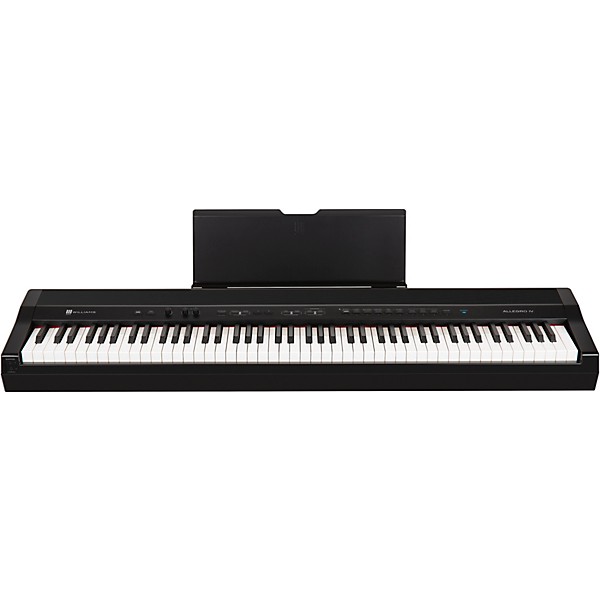
How to choose a digital piano
Why a digital piano?
A digital piano gives you the feel and range of a real piano without tuning, with a volume knob and a headphone jack so you can practice any time. They take up less room and cost less to own than an acoustic piano, which is why they are the usual choice for beginners, students and anyone short on space.
88 keys or fewer?
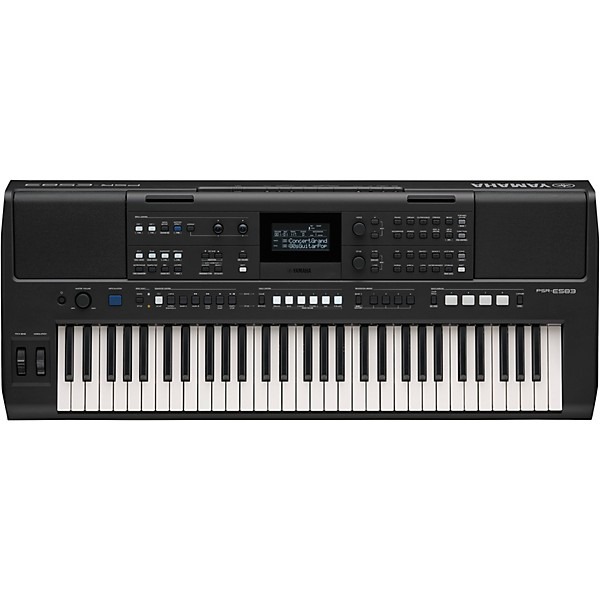
A full piano has 88 keys. If you are learning piano, or want to play standard piano music, 88 keys is the safe choice because you will not outgrow it. Smaller keyboards with 61 or 76 keys are lighter and cheaper, and suit portable use and basic practice, but they cannot play the full range of piano repertoire.
Key action matters most
The way the keys feel is the biggest difference between models. Weighted or hammer-action keys mimic an acoustic piano, with a heavier touch at the low end and a lighter touch at the top, and they build the finger strength piano playing needs. Unweighted keys are fine for synth and organ sounds but are a poor fit for learning piano.
Cabinet style and what is in the box
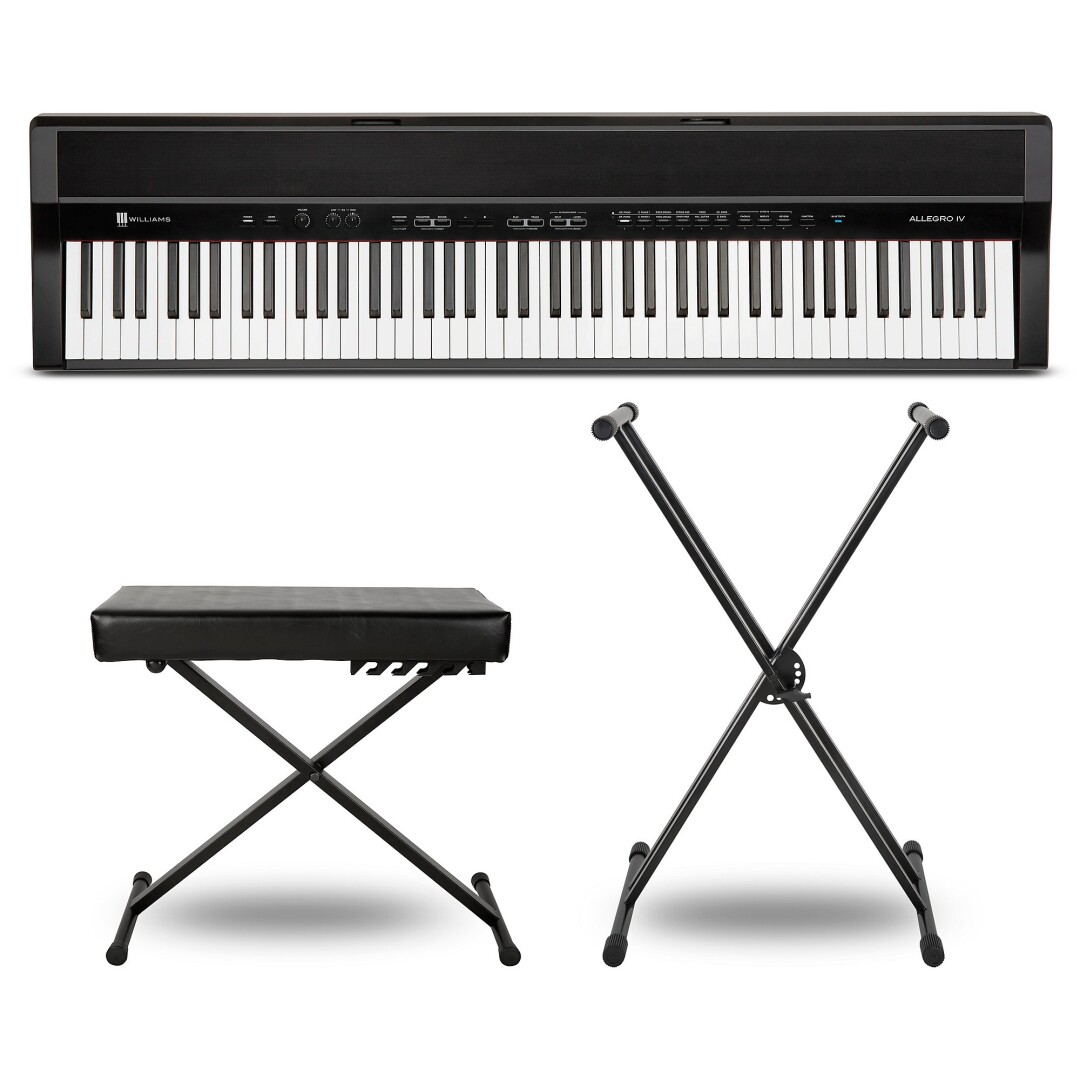
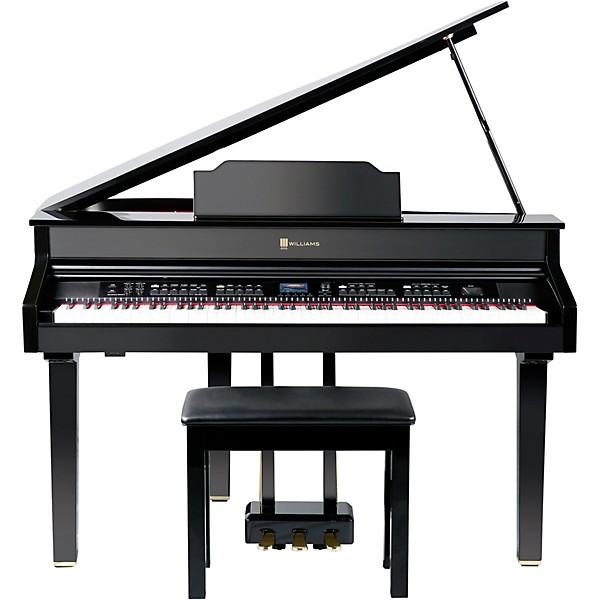
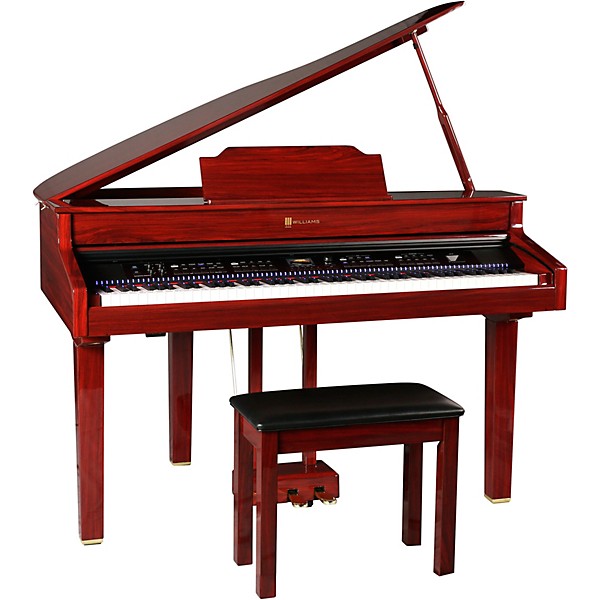
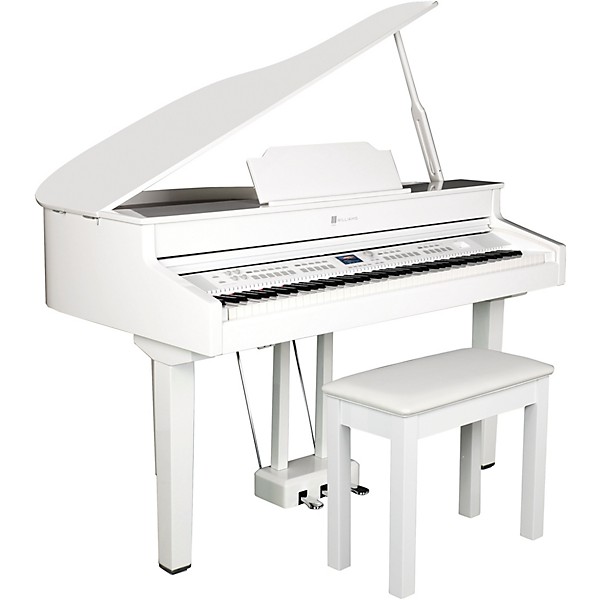
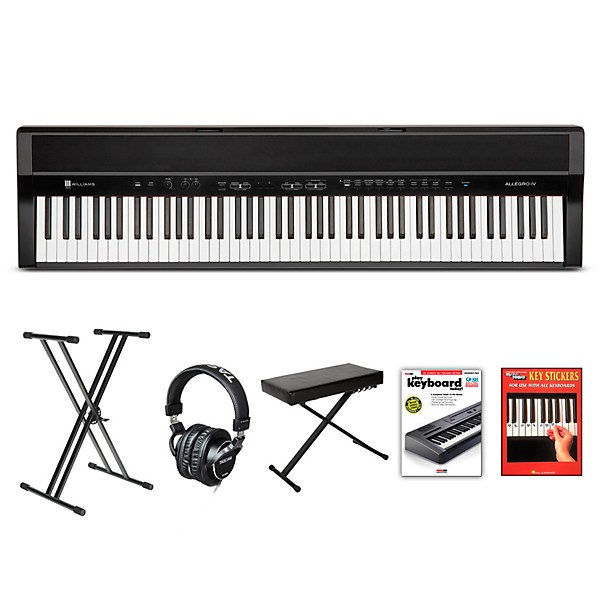
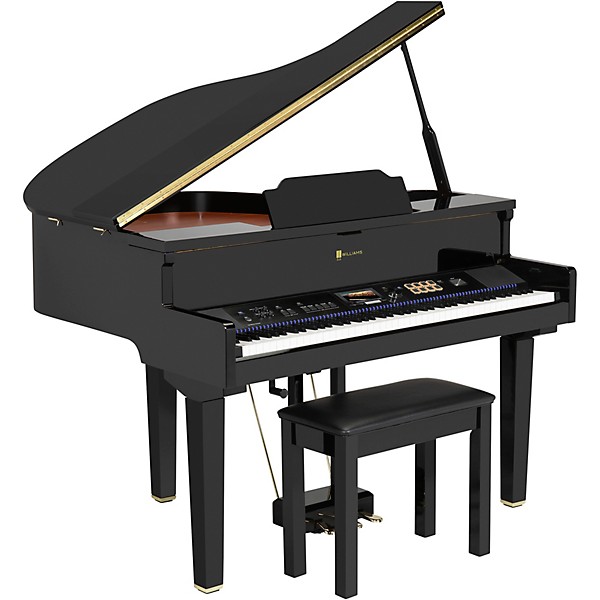
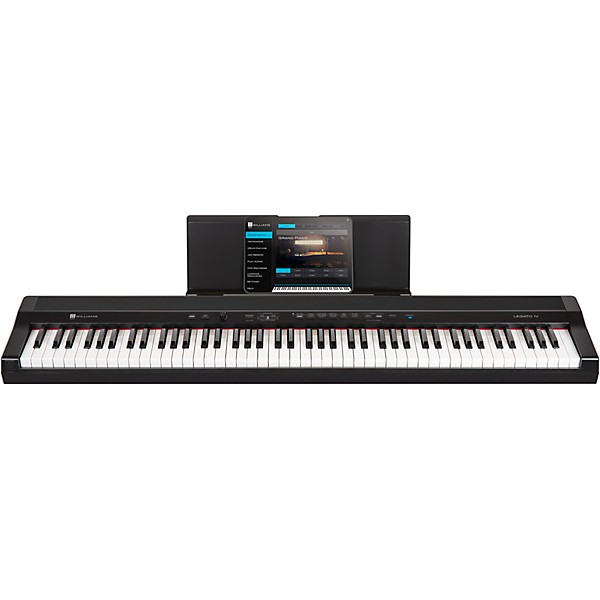
Digital pianos come as slim console models on a stand, as compact "micro grand" styles that look like a small grand piano, and as larger concert-style instruments. Some include a stand, a bench and a sustain pedal, and others do not, so check each listing before you order. Many models also offer Bluetooth for connecting to learning apps and a headphone output for quiet practice.
Brands we carry
We carry Williams digital pianos, designed to be approachable for students and families, from compact 88-key models to micro grands. If you are comparing models, start with how much space you have, whether you want a stand and bench included, and how much you plan to practice.
Need help choosing?
We are musicians and happy to talk it through. Call us on the number at the top of the page, or see our return policy for peace of mind.
Frequently asked questions
How many keys should a digital piano have?
For learning piano, 88 keys is the best choice because it matches an acoustic piano and covers all standard music. Keyboards with 61 or 76 keys are fine for casual practice and portability but limit what you can play.
What does weighted keys mean?
Weighted, or hammer-action, keys are built to feel like the keys on an acoustic piano, heavier in the low notes and lighter in the high notes. They help you build finger strength and control, which is why they are recommended for anyone learning piano.
Is a digital piano as good as an acoustic piano?
A good digital piano is an excellent way to learn and practice. It never needs tuning, you can play it silently with headphones, and it takes less space. An acoustic piano has a richer natural resonance, but for most beginners and students a digital piano is the practical choice.
Does a digital piano come with a stand, bench and sustain pedal?
It depends on the model and the package. Some listings include a stand, a bench and a sustain pedal, and others sell them separately, so read the contents of the listing and add what is missing.
Can I play a digital piano with headphones?
Yes. Digital pianos have a headphone output, so you can practice at any hour without disturbing anyone, which is one of their biggest advantages over an acoustic piano.